
Here’s How Varanasi Youngsters Are Teaching Over 1,000 Underprivileged Kids!
While aspects of urban planning that affect the income from tourism have changed over the last few years – airports, roads, cruises down the Ganges – the story of the most marginalised of the city’s residents is not so glamorous.
Varanasi district has an average literacy rate of 70%, but its male-female literacy rates are quite disparate, well below the national average. Further, the quality of state education leaves much to be desired.
The enrollment of girls, according to the 2017-17 DISE data, is still barely half that of boys; Scheduled Caste enrollment in primary school is still a dismal 21%.
Also Read:Why Teaching is More Than a Career: A Scholar’s Experiences in Uttar Pradesh
News reports as recent as 2017 stated that UP, despite having the highest population of primary and upper primary school-going children in the country, had the lowest attendance rates and learning outcomes. And the state boasts of some 4,000 elementary schools for close to 50 million children.
Thus, the initiative and commitment of a student group to work on the education of the city’s out-of-school or underprivileged children is commendable. Moreover, the energy that the group exudes is infectious.
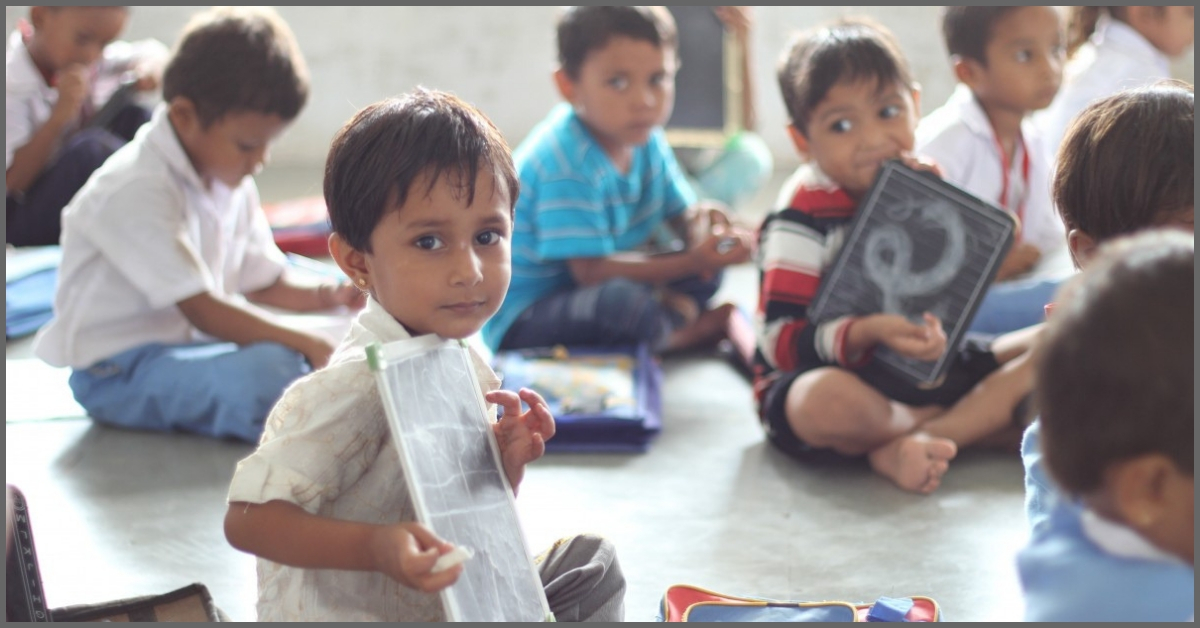
TTF (‘Try to Fight’) has expanded to 1,000 childrenover the past five years, who graduate students like Yajat and his friend, Ayush. The students run around 12 batches, and teach some 500 children from bastis around the campus. They have a Facebook page now, with a tight, 2,000-member community.
Muskan Prajapati, a confident young lady, explains how children who don’t manage to get much help with their schoolwork at home can come here to study, and interact with kids of different ages. “I want to be able to study further and do good work, but also to be able to come back and teach other kids who don’t have the resources to do so,” she beams.
Yajat admits that he is motivated by the kids and the transformation he sees in them. “Children who were addicted to drugs are now regulars here, with their additions forgotten. Those who could barely read Hindi are speaking English. We want them to be able to strengthen their education, go back to school if they’ve left, but also that kids continue education beyond school and make us proud,” his easy charm exudes a confidence that this will happen.


